Breast Milk & the Infant Microbiome
Learn from 7 of the world’s top lactation scientists why breast milk can impact a child’s long-term health, and how to support every family, whatever their feeding journey.
The complex science of human milk made simple: HMOs, microbes and other bioactives, infant immune training, gut sealing and brain development. Covers all types of infant feeding.
Australian College of Midwives (ACM): approved for 17 hours CPD (until June 2028).
MEAC: approved for 17 hours / 1.7 Midwifery CEUs, Program No. M2526-94-0703DE (until May 2028). Applicable for Certified Professional Midwives recertifying through NARM.
Nursing and Midwifery Council (NMC): can be used as 17 hours CPD for revalidation in the UK.
The 1.7 MEAC CEUs are accepted as 17 contact hours by:
This course has been approved for 17 hours CPD by MEAC and the Australian College of Midwives. Those 17 CPD hours may be accepted by IBLCE as 17 L-CERPs, for courses purchased on or after 1 January 2026.
How the 17 L-CERPs break down
This course may be accepted as 17 L-CERPs by IBLCE, in the following categories of the IBLCE Detailed Content Outline.
| Content outline category | Course sessions | L-CERPs |
|---|---|---|
| I. Development and Nutrition: A. Infant | ||
| A2. Food intolerances and allergies |
| 2 |
| A3. Infant anatomy and anatomical/oral challenges |
| 2 |
| A4. WHO guidelines for introducing complementary foods |
| 1 |
| A6. Milk banking: formal and informal |
| 1 |
| A7. Normal infant behaviours |
| 2 |
| A11. Term development and growth |
| 1 |
| I. Development and Nutrition: B. Maternal | ||
| B3. Composition of human milk |
| 6 |
| B4. Maternal anatomical challenges |
| 2 |
| Total that may be accepted by IBLCE | 17 | |
Lactation-specific education must cover topics specific to lactation and breastfeeding, and may be from an IBLCE-verified CERP Provider, but it is not required to be. See IBLCE’s guidance on lactation-specific education.
Breast milk is so much more than food.
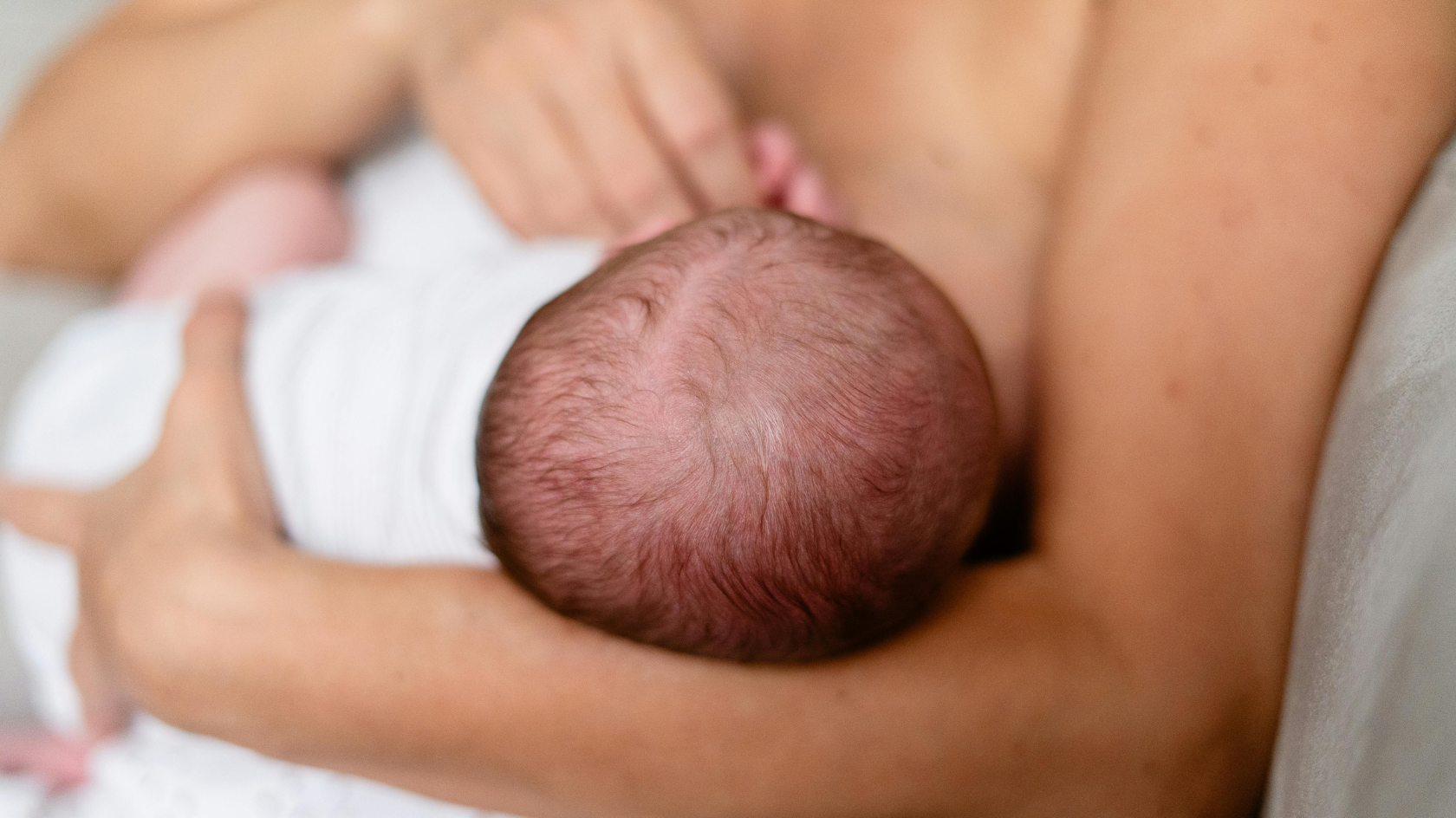
Human milk is a living, dynamic fluid that feeds the beneficial microbes a baby acquires at birth, trains the infant immune system, seals the infant gut and supports brain development. Understanding the science helps you explain, with confidence, why every drop matters.
- The connection between human milk and the infant microbiome
- HMOs and infant immunity
- The protective power of human milk, and its influence on brain development
- Expressed milk, donor milk and infant formula
Includes expert videos, quizzes, downloads and a certificate of completion, with one year of access.
Learn from 7 top lactation scientists
Short, expert video lessons from the researchers at the forefront of human milk science, plus a bonus presentation on breast milk and the developing brain.
 University of California, San DiegoLars BodeProfessor in Pediatrics and Director of the Larsson-Rosenquist Foundation Mother-Milk-Infant Center of Excellence.
 University of ManitobaMeghan AzadProfessor of Pediatrics and Child Health, Canada Research Chair in Developmental Origins of Chronic Disease, and co-Director of the Manitoba Interdisciplinary Lactation Centre.
 Western UniversityGregor ReidProfessor of Microbiology and Immunology and Surgery, and Endowed Chair in Human Microbiome and Probiotics at the Lawson Health Research Institute.
 Cornell UniversityRodney DietertEmeritus Professor of Immunotoxicology.
 University of California, DavisBruce GermanProfessor and Food Chemist, and Director of the Foods for Health Institute.
 University of California, DavisDavid MillsProfessor and Peter J. Shields Endowed Chair in Dairy Food Science.
 University of California, DavisJennifer SmilowitzAssistant Professor of Cooperative Extension, Foods for Health Institute.
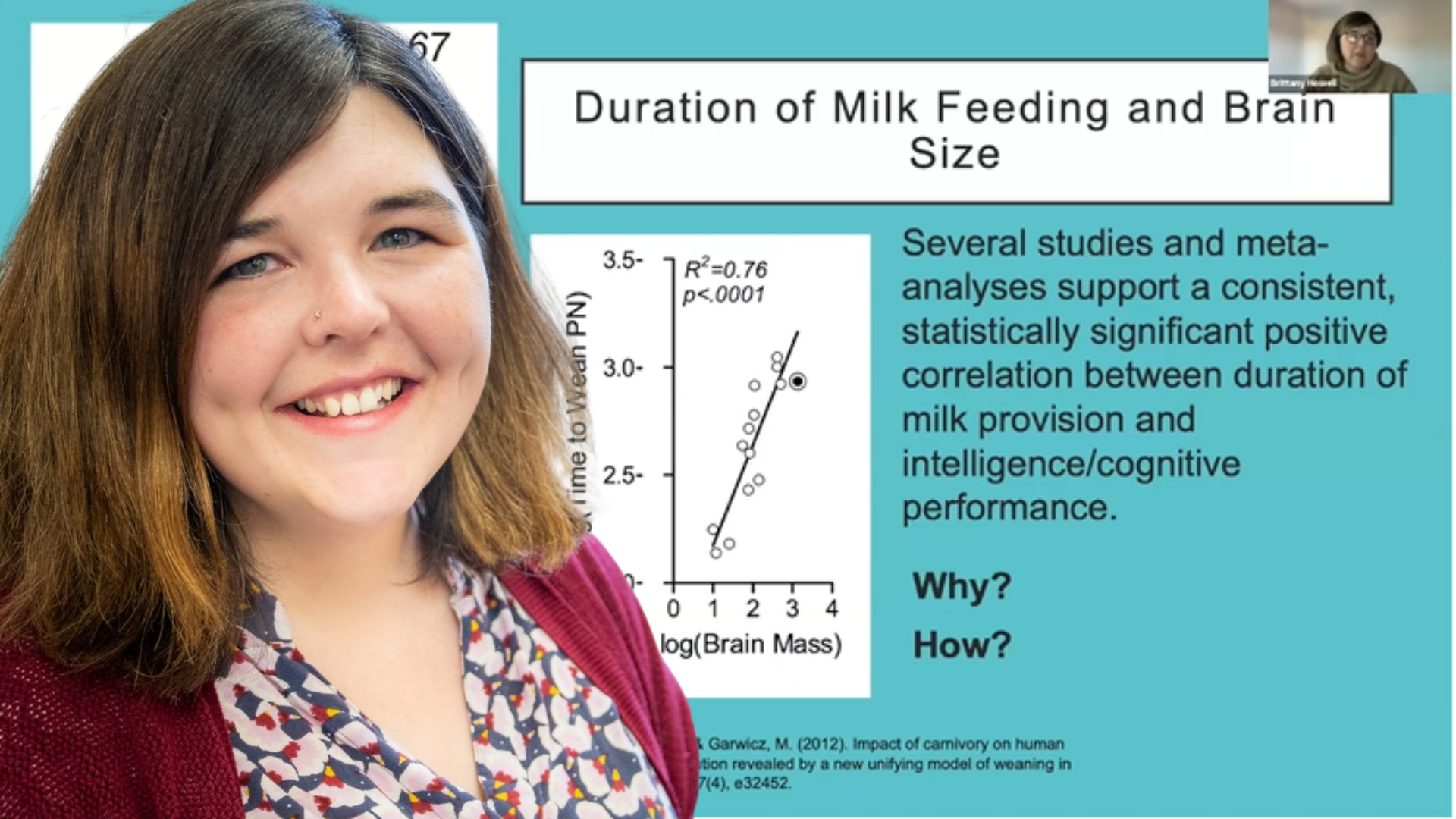 Bonus presentationVirginia TechBrittany HowellAssistant Professor, Neuroscience.

Brittany Howell, Virginia Tech
Assistant Professor of Neuroscience Brittany Howell explores breast milk and the developing brain, in a bonus presentation included with your enrolment.
The complex science of human milk, made simple
Expand your knowledge base, from the evolution of mammalian milk to every type of infant feeding.

Session 1: Introduction to human milk
What is in human milk: its nutritive and non-nutritive components.
Session 2: Microbes in human milk
The uniqueness of breast milk microbes, where they come from, and the impact of antibiotics.
Session 3: HMOs in human milk
What human milk oligosaccharides are, their chemistry and the types found in breast milk.
Session 4: Variations of HMOs in different mothers
Why HMOs differ between mothers, including secretors and non-secretors.
Session 5: HMOs and microbes in the infant gut
How HMOs feed the beneficial microbes a baby acquires at birth.
Session 6: Infant immune training
How breast milk and the infant gut microbiome train the developing immune system.
Session 7: How HMOs affect infant body systems
The effects of HMOs across the infant’s body, including gut sealing and brain development.
Session 8: Expressed milk and donor milk
Milk banking and sharing, and the protective power of breast milk.
Session 9: HMOs and infant formula
What formula can and can’t replicate, to support every family without guilt or judgement.
For everyone who supports families with infant feeding
After an emergency caesarean, Toni Harman struggled to breastfeed her daughter and ended up topping up with infant formula. Making the documentary Microbirth showed her just how remarkable human milk is, and she created this course so that every professional supporting families can understand the science.
Toni Harman, producer and director of Microbirth and co-author of Your Baby’s Microbiome
“Wow, what a fantastic course!”
“I learned so much about the infant microbiome and the impact of HMOs on the infant’s overall health from Microbiome Courses. The course presented the material in a clear and engaging way. The videos were very professionally done. I have already recommended the course to several colleagues!”
 Kristina Chamberlain, CNM, ARNP, IBCLCClinical Director and Lead Faculty, UC San Diego Extension Lactation Program
“Wow. I learned so many more amazing things about breastmilk. The best thing about the course is that it is easy to follow, and has so many experts featured. There is just enough reiteration of previous modules to reinforce the learning.”
 Betsy Schwartz, CLC, MMHSPostpartum doula, trainer and mentor for 25+ years
Choose your ticket
Prices in US dollars. Start straight away and learn at your own pace.
The full course with 7 leading lactation scientists: expert videos, quizzes, downloads and a certificate of completion for 17 hours CPD / CE, with one year of access.
Train your team, network or service together, at $50 per person. After booking, email the names and email addresses of your team to info@altofilms.com and we’ll enrol them.
Who accredits the 17 CPD hours?
The course is approved for 17 hours CPD by the Australian College of Midwives (until June 2028) and for 17 hours / 1.7 Midwifery CEUs by MEAC, Program No. M2526-94-0703DE (until May 2028). It can be used as 17 hours CPD for NMC revalidation, and the MEAC CEUs are accepted as 17 contact hours by ICEA, CAPPA, Lamaze International and DONA International.
Can IBCLCs claim L-CERPs?
From 1 January 2026, IBLCE’s Individual CERPs Guide for Recertification (Section IIIA) allows education that has been awarded credit by another board or organisation to be counted as CERPs. As this course is approved by ACM and MEAC, it may be accepted as 17 L-CERPs for courses purchased on or after 1 January 2026.
Which IBLCE content areas does it cover?
Development and nutrition (infant): food intolerances and allergies, infant anatomy and oral challenges, complementary foods, milk banking, normal infant behaviours, and term development and growth. Maternal: composition of human milk and maternal anatomical challenges.
Does the course cover formula feeding?
Yes. The course covers all types of infant feeding, including breastfeeding, expressed milk, donor milk, peer-to-peer milk sharing and infant formula.
Is it live or self-paced?
Self-paced. You can start as soon as you enrol and learn online in your own time.
How long do I have access?
You have one year of access from enrolling, including expert videos, quizzes and downloads.
Will I get a certificate?
Yes. You can download a certificate of completion for 17 hours CPD / CE once you have completed the course.
How do group bookings work?
One person books the Group of 10 ticket, then emails the names and email addresses of the ten team members to info@altofilms.com. We’ll enrol each of them so they get their own access and certificate.
I’m new to the microbiome. Where should I start?
This course stands on its own, but if you’d like a broader introduction first, our Microbiome Foundation Course (5 hours CPD / CE) covers the microbiome from pregnancy through birth and breastfeeding.
What’s your refund policy?
We offer a 30-day money-back guarantee, with a full refund if you’re not satisfied.
Help every family understand why every drop matters.
17 hours CPD / CE · 7 leading lactation scientists · 30-day guarantee
Group of 10 available at $500