Microbiome for Doulas & Birth Workers
Join experienced midwife and doula Dr Michelle Irving PhD for five practical workshops designed specifically for busy doulas and birth workers.
Discover 5 simple changes you can make in your practice that could support a baby’s lifelong health.
- Approved for 10 Lamaze Contact Hours
- Learn the science
- Apply it immediately
- Download ready-to-use resources
- Join the live Q&As (or catch the replays)
5 hours self-guided learning from 1 November + 5 hours live on Zoom on 7 or 8 November



- Approved for 10 Lamaze Contact Hours.
- 10 Lamaze Contact Hours are accepted for recertification by:
- Lamaze International (LCCEs)
- ICEA
- DONA International
- and others
- 10 Lamaze Contact Hours may be accepted as 10 CERPs by International Board of Lactation Consultant Examiners (IBLCE) as they are aligned with the topics listed on the IBCLC Detailed Content Outline. See how the CERPs break down.
You’re there for the moments that shape a baby’s first microbes.
From the start of labour to the first feed, doulas and birth workers support families through the exact window when a baby’s microbiome begins to form. This bootcamp gives you the science, and the words, to support those moments with confidence.
- 5 simple, practical changes you can bring into your practice
- Clear, confident ways to explain the microbiome to parents
- Ready-to-use checklists to share with the families you support
10 hours of learning:
5 hours self-guided, 5 hours live
Learn the science in your own time first, then bring your questions to the live workshops.
- 1
You’re enrolled!
You’ll receive your confirmation straight away.
- 2
Self-guided learning opens
From Sunday 1 November (midnight PT, 8am UK) you’ll have access to 5 hours of self-guided learning.
- 3
Learn in your own time
Watch the videos and go through the short science lessons for each session.
- 4
Complete and download
Complete the worksheets for each session, and download the checklists, guides and bonus parent handouts.
- 5
Join a live session
5 hours live on Zoom, with Q&A and breakout discussions. Choose either:
Live Session ASat 7 November, 4pm – 9pm UKEurope, Africa & the AmericasLive Session BSun 8 November, 8am – 1pm UKAsia, Australia & NZCan’t make it live? Catch the replays for a year.
From pregnancy to the first feed
Each workshop follows a key moment in your work with families, with practical takeaways you can use straight away.
The Health of the Vaginal Microbiome
Protect the vaginal microbiome through practical antenatal hygiene advice that supports maternal-to-baby microbial transfer during birth.
Getting Labour Started Well
Support physiological labour onset through movement, positioning and strategies that encourage the baby’s engagement.
Avoiding Unnecessary Interventions in Labour
Reduce unnecessary interventions by recognising normal labour pauses and supporting movement, privacy and a calm birth environment.
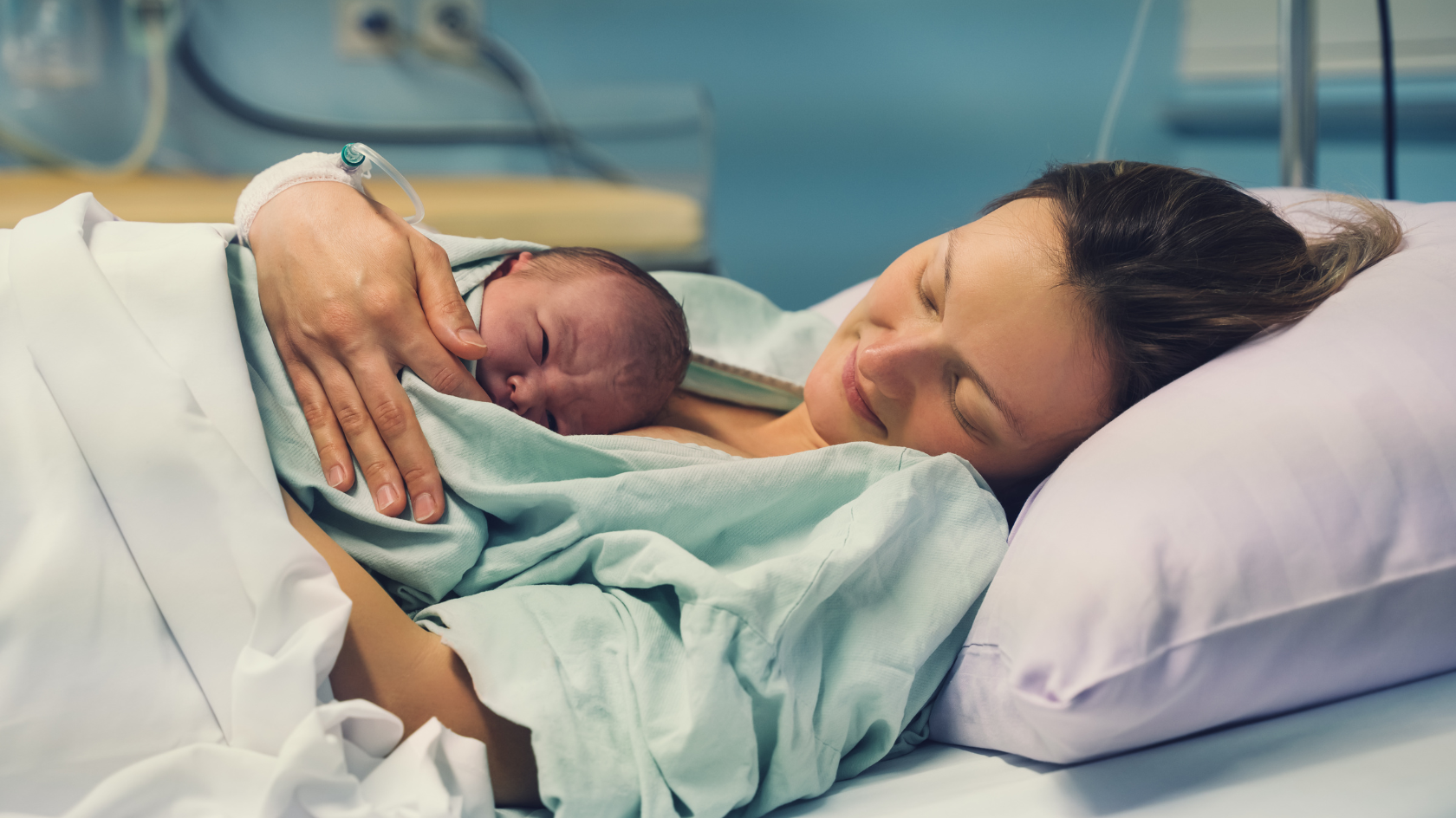
Seeding the Infant Skin Microbiome
Prioritise immediate, uninterrupted skin-to-skin contact after vaginal or caesarean birth to support microbial transfer.
Supporting Breastfeeding Initiation
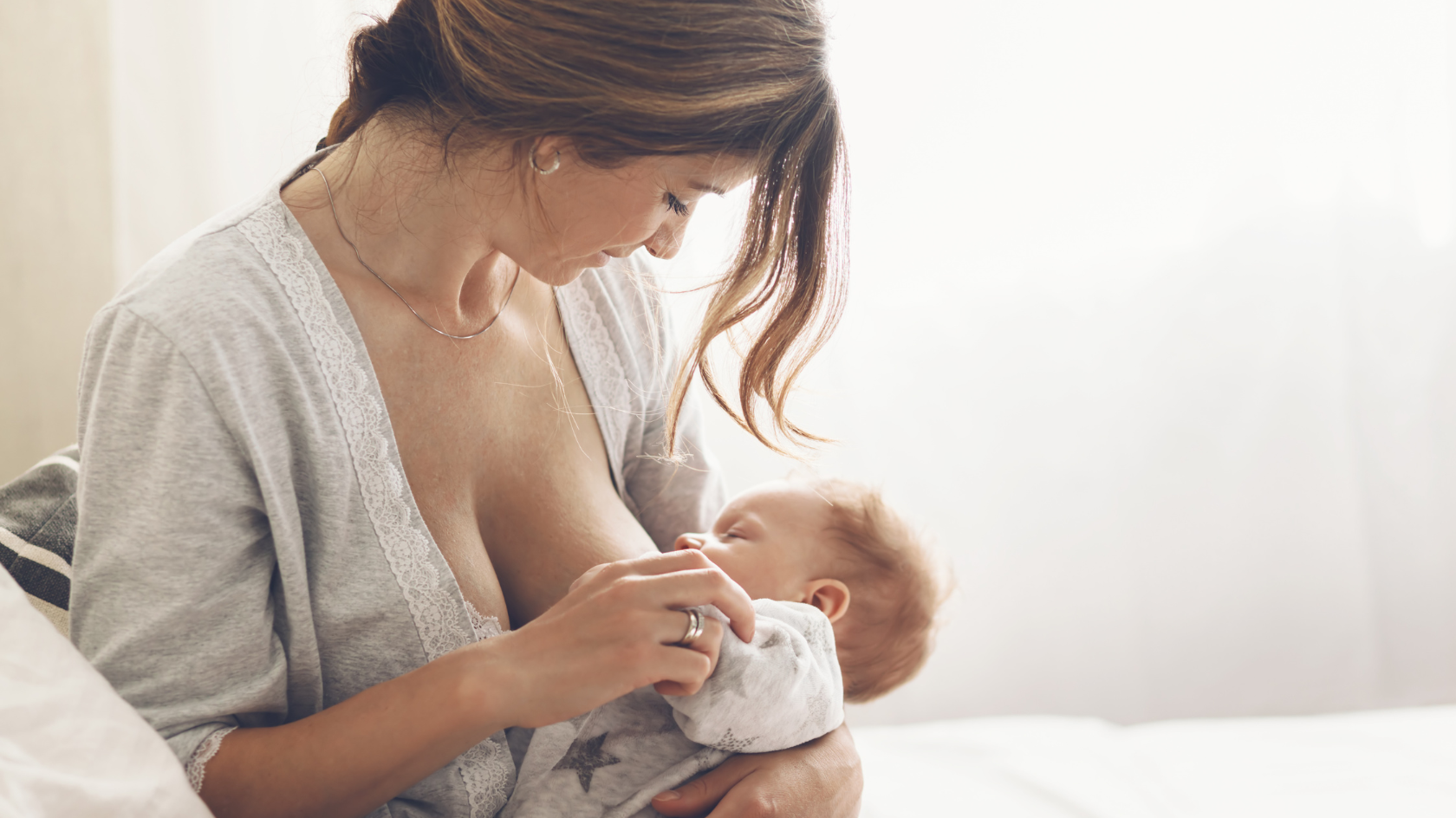
Give mothers and babies time and space for instinctive breastfeeding behaviours, recognising that the first feed may take longer than an hour.
Same live workshops, two time zones
Pick the session that fits your day, wherever you are in the world. Both cover exactly the same content.
| Where you are | Session A | Session B |
|---|---|---|
| London, Dublin | Sat 4pm – 9pm | Sun 8am – 1pm |
| Paris, Berlin, Amsterdam | Sat 5pm – 10pm | Sun 9am – 2pm |
| Johannesburg | Sat 6pm – 11pm | Sun 10am – 3pm |
| New York, Toronto | Sat 11am – 4pm | Sun 3am – 8am |
| Los Angeles, Vancouver | Sat 8am – 1pm | Sun 12am – 5am |
| Singapore, Perth | Sun 12am – 5am | Sun 4pm – 9pm |
| Sydney, Melbourne | Sun 3am – 8am | Sun 7pm – 12am |
| Auckland | Sun 5am – 10am | Sun 9pm – 2am |
Dr Michelle Irving PhD
Midwifery lecturer, midwife and doula. Michelle brings the research and the realities of birth work together, so every workshop is grounded in evidence and practical enough to use at your next birth.
Michelle has spent the past three years reading over 1,000 scientific papers exploring the science of the maternal and infant microbiome, and translating it into clear, practical learning for doulas, childbirth educators and other birth workers.
“I loved the amount of research that has been done in what you are teaching, and that Michelle had the research in mind as she answered questions.”
Your bootcamp
- 5 hours of self-guided learning from 1 November: videos, short science lessons, worksheets and quizzes
- 5 hours of live, interactive workshops on Zoom
- Q&A and breakout discussions with fellow birth workers
- Workbooks for every workshop
- One year of access to the replays
- Community group
- Certificate for 10 Lamaze Contact Hours
7 ready-to-use tools
- Microbiome for Doulas & Birth Workers Cheat Sheet
- Microbiome for Doulas & Birth Workers Checklist
- Vulvo-Vaginal Health Checklist
- Starting Labour Well Checklist
- Creating Birth Sanctums Checklist
- Supporting Skin Microbiome Checklist
- Create a Birth Bubble Checklist
From our recent Midwives Bootcamp
“I am just blown away by the amount of evidence of the benefits of protecting babies’ microbiome and the simple procedures one can tweak in birth that will have a huge positive impact on mom and baby.”
“Very informative about the key areas for each day. Really enjoyed the live sessions and discussions that everyone was bringing to the table.”
“I am impressed by the knowledge, the information, the updated research that you have presented, all wrapped up with such a respectful, professional manner.”
Choose your ticket
Pay in pounds or US dollars. Every ticket includes the full bootcamp, replays, bonuses and certificate.
Book by 31 October at 23:59 PT. From 1 November, the price is £110 / $147.
For doulas and birth workers who are low-waged or unemployed, students, and those in low-income countries. No proof needed: we trust you to choose the ticket that fits your circumstances.
Train your collective, network or team together, at under £60 / $80 per person. After booking, email the names and email addresses of your team to info@altofilms.com and we’ll enrol them.
Frequently asked
What if I can’t make the live session?
Watch the replays instead. You’ll have one year of access, and watching the replays counts towards your 10 hours, just like attending live.
Which session should I choose?
Both sessions cover the same content. Choose whichever fits your time zone using the table above.
When do I do the self-guided learning?
The 5 hours of self-guided learning open on Sunday 1 November at midnight PT (8am UK). Work through the videos, science lessons and worksheets in your own time before your live session on 7 or 8 November.
Is the bootcamp accredited?
Yes. The bootcamp is approved for 10 Lamaze Contact Hours. These are accepted for recertification by Lamaze International (LCCEs), ICEA and DONA International, and may be accepted as 10 CERPs by IBLCE as they are aligned with the topics listed on the IBCLC Detailed Content Outline. Please check with your own certifying organisation.
Will I get a certificate?
Yes. You’ll receive your certificate once you’ve completed the self-paced learning, attended or watched the live sessions, and submitted the course evaluation form.
Who can book a bursary place?
Bursaries are for doulas and birth workers who are low-waged or unemployed, students, and those living in low-income countries. We don’t ask for proof: we trust you to choose the ticket that fits your circumstances.
How do group bookings work?
One person books the Group of 10 ticket, then emails the names and email addresses of the ten team members to info@altofilms.com. We’ll enrol each of them so they get their own access and certificate.
Can I pay in pounds or dollars?
Yes. Choose the GBP or USD button in the pricing section. Bursary places are priced in US dollars.
What’s your refund policy?
We offer a 30-day money-back guarantee, with a full refund if you’re not satisfied.
How the 10 CERPs break down
10 Lamaze Contact Hours may be accepted as 10 CERPs by IBLCE: 2 L-CERPs, 7 R-CERPs and 1 E-CERP, mapped to the IBCLC Detailed Content Outline.
| Content outline category | Workshop and presenter | CERPs |
|---|---|---|
| I. Development and Nutrition: A. Infant | ||
| A7. Normal infant behaviours |
| 1 L-CERP |
| V. Psychology, Sociology and Anthropology | ||
| B. Birth practices |
| 1 R-CERP |
| VI. Techniques | ||
| B. First hour |
| 1 L-CERP |
| F. Position of the breastfeeding dyad (hands-off) |
| 1 R-CERP |
| H. Skin-to-skin (kangaroo care) |
| 1 R-CERP |
| VII. Clinical Skills: B. Education and Communication | ||
| B2. Anticipatory guidance |
| 1 R-CERP |
| B4. Educating mothers and families |
| 1 R-CERP |
| B5. Educating professionals, peers and students |
| 1 R-CERP |
| B7. Empowerment |
| 1 R-CERP |
| VII. Clinical Skills: E. Public Health and Advocacy | ||
| E3. Advocate for mother/infant in healthcare system |
| 1 E-CERP |
| Total that may be accepted by IBLCE | 10 CERPs 2 L · 7 R · 1 E | |
For full details, see the IBLCE Commission guidelines: Lactation-specific education and the IBLCE Recertification Guide (2026). Please check with IBLCE and your own certifying organisation.
Help protect a baby’s microbiome from the very first moments.
Live on 7 & 8 November · 10 Lamaze Contact Hours · 30-day guarantee
Early bird ends 31 October, 23:59 PT